
The 10 R’s of Sustainable Eating: How to Shrink Your Footprint Starting in the Kitchen
By Erin Resch, 15+ years in food and water conservation | Updated October 2026
Disclosure: This post contains an affiliate link (Bokashi Living). I earn a small commission at no extra cost to you, and I only recommend products I personally use or have thoroughly researched. Read my affiliate disclosure.
Most of us want to eat cleaner and cut down on waste, but completely overhauling how you grocery shop and cook is exhausting. That’s why my family breaks sustainability down into actionable, bite-sized habits. Meet the 10 R’s of sustainable eating: from rethinking what we buy to composting what’s left over, here is how we use them day-to-day without losing our sanity.
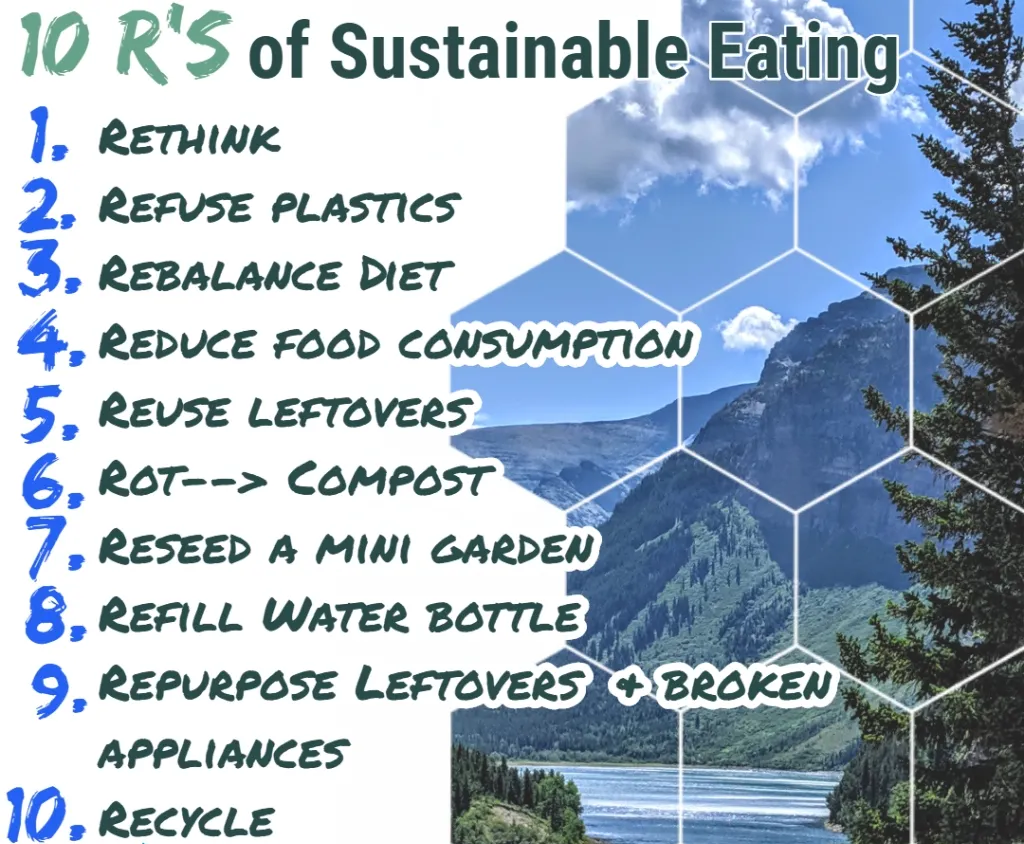
Table of Contents: 10 R’s of sustainable eating
Sustainable Eating: Why does food matter so much for the climate?
When we talk about lowering our carbon footprint, most advice immediately jumps to driving less or switching lightbulbs. But what about what’s on our plates? We rarely talk about how deeply our food choices and kitchen waste impact the planet. Coming from fifteen years in the Consumer Packaged Goods (CPG) food industry and as the Conservation Manager at California Water Service I have seen behind the scenes on what really can move the needle.
According to the IPCC’s Sixth Assessment Report, agriculture, forestry, and other land use produced about 22% of global greenhouse gas emissions in 2019. Transport produced about 15%. The food on our plates and the waste in our kitchens have a real impact, and we rarely talk about it.
I’m a wife, a mom, and an eco-warrior. If you’re a parent, you know there’s almost nothing a mother won’t do to protect her kids. That care shouldn’t stop at our front doors. It has to include Mother Earth, too, because she feeds our families. So I keep asking myself one question: what am I doing today to secure a healthy planet for my kids tomorrow?
If you want to shift your habits without a total overhaul, start here with the 10 R’s of sustainable eating.
1. Rethink: Do you actually need it?
Before you buy anything, pause and ask if you really need it. That goes for impulse buys at Target and big online hauls alike. Having spent over a decade in CPG and you see firsthand just how much stuff gets pushed on us. Before you bring another impulse buy home pause and ask if you really need it. That means you mamma, you may rely too frequently on Target or online hauls. I noticed during the COVID pandemic is when some of this started to get out of control but some of us are still ordering similarly to how we were shopping during the pandemic. Just take a moment to pause and ask yourself if you really need it. This is what really helped me. Also, my children know when we go shopping it’s a no on impulse buys for them, I have them write a grocery list with me and if something isn’t on the list, we aren’t buying it. This might not work for everyone but you have to start somewhere so I would start with making a scavenger hunt for them so they stay on task and don’t ask for anything not on the list.
Every product we bring home takes water, energy, and raw materials to make. Water is a precious resource, and millions of people face water and sanitation crises every year. As populations grow and the climate shifts, it won’t last forever unless we conserve it.
2. Refuse: Say no to single-use plastics
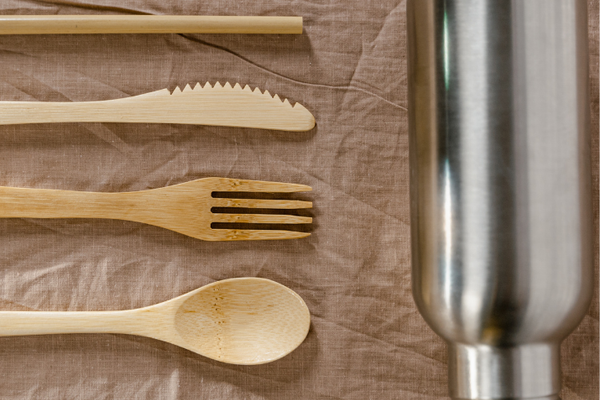
Say no to plastic containers, cutlery, straws, and flimsy bags. Most conventional plastics take hundreds of years to break down in a landfill. Let’s be honest, single-use plastics sneak into our kitchens so easily. Getting into the habit of saying a polite ‘no thanks’ to plastic cutlery and flimsy bags is a total game-changer.
Be careful with “compostable” cutlery, too. Many of these items still end up in standard landfills, because local composting facilities often can’t process them. When you order takeout, ask for no plastic utensils.
Also try refusing to eat out for every meal. Cooking at home lets you control the packaging, waste, and resources.
3. Rebalance: Eat more plants
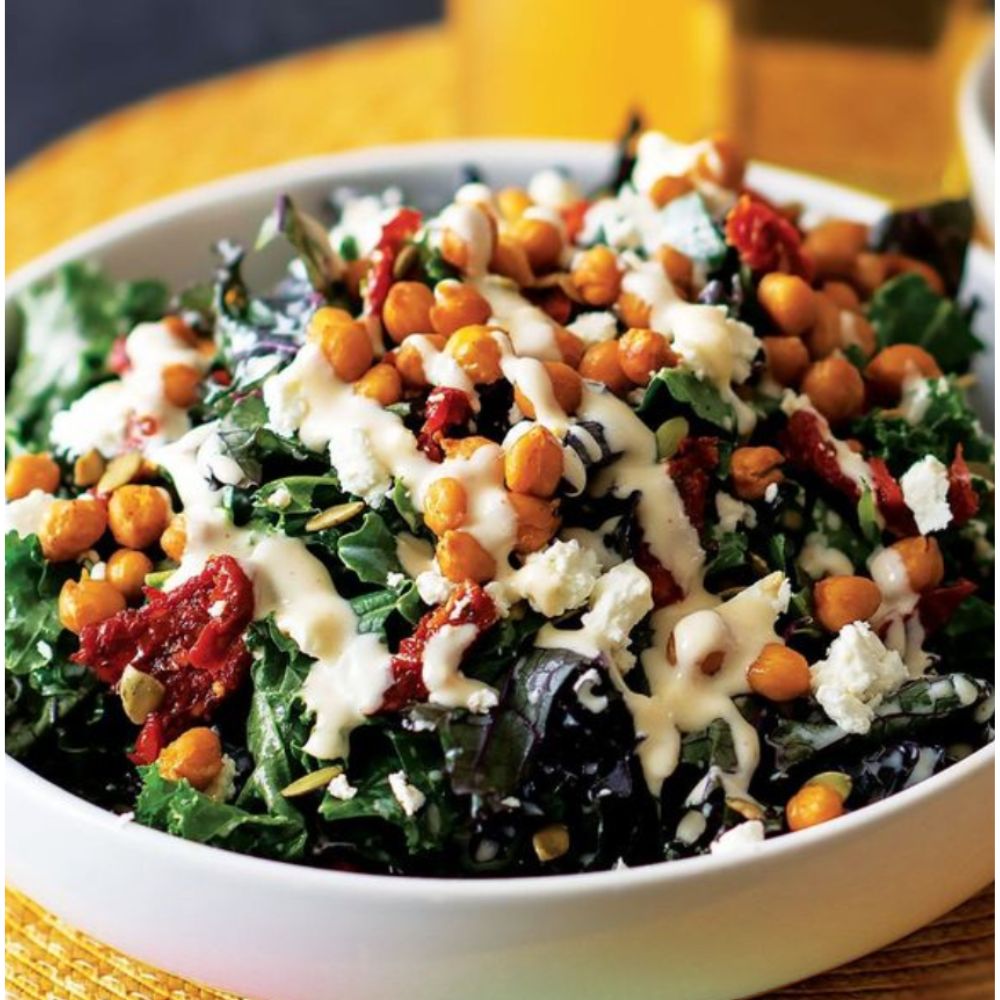
I grew up in the Midwest as a classic “meat and potatoes” kind of gal. I still enjoy meat occasionally, but our family follows an 80/20 rule. About 80% of our plates are whole, plant-based foods: lentils, beans, quinoa, grains, vegetables, fruit, and healthy fats. The other 20% might include meat, dairy, or extra avocados.
You don’t have to go cold turkey. Start by swapping meat out of your dinners, then move on to lunches. Need ideas? Try my high-protein tofu scramble or my best vegan chili.
Lentils are a protein powerhouse. One cup of cooked lentils has about 9 grams of protein, according to USDA data, plus plenty of fiber. Diets rich in plants are also associated with a lower risk of heart disease.
4. Reduce: Watch portions and overall consumption
U.S. packaging and restaurant portions are often much larger than what we need. At home, simple visual guides keep portions in check and waste down:
- Protein: a deck of cards is about a 3-ounce serving.
- Greens: a cup looks like two cupped hands.
- Fruit or veggies: a cup fits inside your fist.
5. Reuse: Build a leftover system
If there’s one habit that saves both my sanity and our grocery budget, it’s building a real leftover system. Stop buying more than you can realistically finish, and make friends with your freezer. I label items in the freezer with what it is and the date frozen so we know how old items are and can go through them based on those dates.
One of our favorite hacks is freezing odds and ends, like diced onions, bread ends, or pre-cut veggies. Toss them into a homemade soup later in the week.
6. Rot: How do I start composting at home?
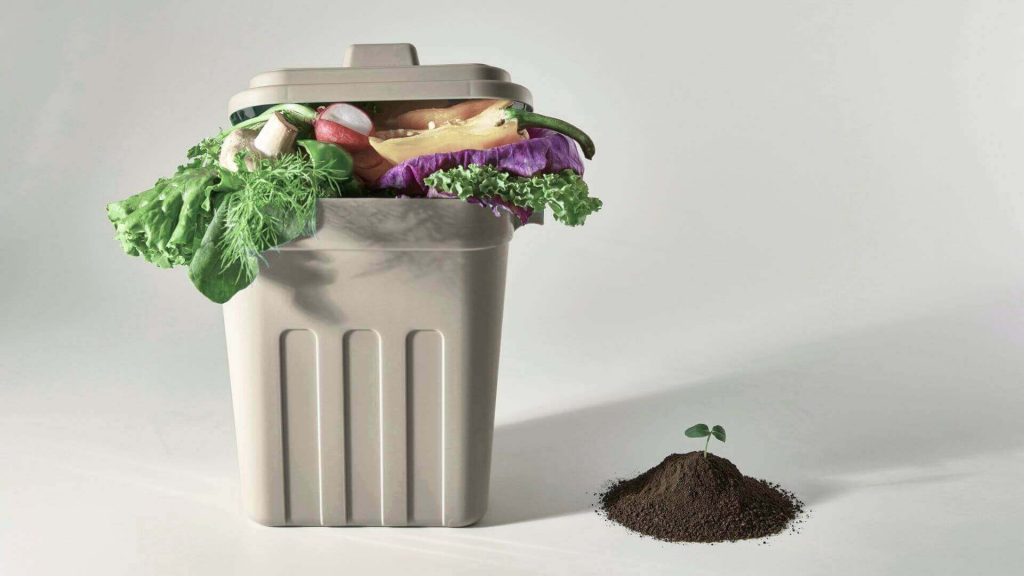
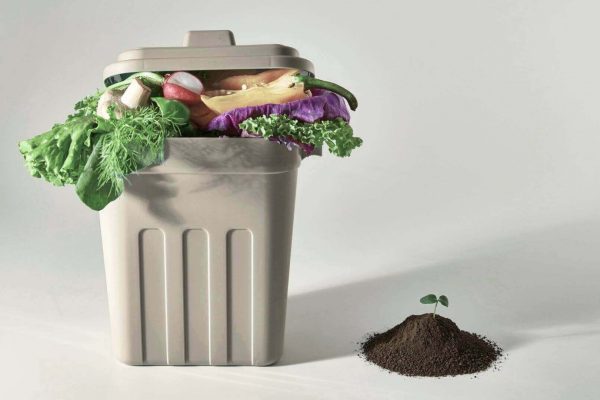
Save your food scraps and start a compost pile. A healthy pile needs three things:
- Browns: dead leaves, small twigs, cardboard scraps, or shredded paper.
- Greens: vegetable peelings, fruit scraps, coffee grounds, and eggshells.
- Water: enough to keep the pile moist, which helps everything break down.
As a rule of thumb, aim for about one-third greens and two-thirds browns. Layer them, turn the pile once a week to add air, and let nature do the work. Bonus tip: leftover coffee grounds give potted plants like basil a nitrogen boost.
Short on space? Bokashi Living is a simple indoor option that ferments food scraps, including meat and dairy, in your kitchen. There are also many automated composting tools. For more ideas, see my small space living guide.
7. Reseed: Grow a little of your own food
Try a mini garden or sprouting herbs at home. It saves money, cuts plastic produce packaging, and connects your family to where food comes from.
Did you know you can sprout seeds straight from a ripe bell pepper you bought for dinner? Microgreens and sprouts also grow easily on your counter in a simple glass jar.
8. Refill: Keep reusable bottles handy
Keep reusable water bottles within reach, and leave a few extras around. Then you never grab single-use plastic when you’re rushing out the door.
Convenience is usually the culprit behind plastic waste, so make the sustainable choice the easy one. If you have kids, teach them early why we avoid single-use bottles and why water conservation matters.
9. Repurpose: Give leftovers a second life
Turn yesterday’s lentils into a brand-new curry. Find creative uses for worn-out kitchen tools. Look at ingredients and items with a resourceful mindset. The internet is full of ideas for turning whatever is left in your fridge into a great meal.
10. Recycle: Do it right
Check your local municipality’s guidelines, and always rinse containers before they go in the bin. One dirty jar can contaminate a whole batch of recyclables.
Whenever you can, skip the plastic bag liner and put items in your recycling bin loose.
Thank you for reading and joining me on the road to a healthier, more sustainable life. You rock! If this resonated, share it with a friend or fellow parent. Together we really can make an impact.
Pair your sustainable eating with a zero-waste kitchen
Bokashi is the composting piece of a zero waste kitchen puzzle. Complete the picture with the Brondell water filter, it’s perfect in small spaces or check out one of my favorite pans to cook with using Xtrema. Don’t forget to find out which mobile apps are the best for your phone to reduce your carbon footprint.
FAQ’s: 10 R’s of sustainable eating
What are the 10 R’s of sustainable eating?
Rethink, Refuse, Rebalance, Reduce, Reuse, Rot (compost), Reseed, Refill, Repurpose, and Recycle. Each one is a simple habit that cuts waste or resource use in your kitchen.
What is the 80/20 rule for plant-based eating?
It means making about 80% of your plate whole, plant-based foods and leaving about 20% flexible for meat, dairy, or other favorites. It’s an easy way to eat more plants without going fully vegan.
How do I compost in a small space?
How much protein is in a cup of cooked lentils?
About 9 grams, according to USDA data.
Where should I start if I feel overwhelmed?
Pick one R this week. Most families start with Reduce (portions) or Reuse (a leftover system). When you’re ready for a bigger step, take my free home audit to see which part of your home to tackle first.
Sources: 10 R’s of sustainable eating
- IPCC Sixth Assessment Report, Working Group III, Summary for Policymakers (2022): https://www.ipcc.ch/report/ar6/wg3/chapter/summary-for-policymakers/
- USDA FoodData Central, lentils, cooked: https://fdc.nal.usda.gov/food-details/2644283/nutrients
- Project Drawdown, Food, Agriculture, and Land Use Solutions: https://drawdown.org/sites/default/files/pdfs/DrawdownPrimer_FoodAgLandUse_Dec2020_01c.pdf
- Treehugger, Shocking Facts About Water Scarcity: https://www.treehugger.com/clean-water/its-world-water-day-5-shocking-facts-about-water-scarcity-will-make-you-cry-river.html
- Vox Top 100 solutions for Climate Change: https://www.vox.com/energy-and-environment/2017/5/10/15589038/top-100-solutions-climate-change-ranked

Leave a Comment