
Table of Contents
Disclaimer: This post may contain affiliate links, meaning I may earn a small commission at no extra cost to you if you purchase through them. I only recommend products I genuinely use and love.
I’ve been practicing zero-waste (sometimes from our van) with my family for over a year. Here’s everything I’ve learned about what actually works in this zero-waste living guide for small spaces and what’s just greenwashing.
Living zero-waste sounds extreme until you realize it’s actually about simplifying your life. This zero-waste living guide for small spaces will help you no matter what size home you have. After 18 months of owning a van and traveling with my family for vacations locally, I’ve tested hundreds of products and strategies. Here’s what genuinely reduces waste, and saves you money.
Zero-Waste Living Guide For Small Spaces: What that Actually Means
Zero-waste doesn’t mean producing literally zero trash. It’s about being intentional about what enters your life and where it goes when you’re done with it. The goal in this zero-waste living guide for small spaces and is help you understand how to send as little as possible to landfill by following the 5 R’s: Refuse, Reduce, Reuse, Recycle, Rot.
When I started this journey, I was overwhelmed by Instagram-perfect zero-waste kitchens. The truth? My van kitchen looks nothing like that, but we produce less than one small bag of trash per week for our entire family & it’s something I’m very proud of.
The Kitchen: Where 60% of Household Waste Begins
The kitchen is really where most of our waste is created. Between food packaging, single-use wraps, and food scraps, most families generate the bulk of their trash here. Traveling or living in a van means our fresh water tank holds 35 gallons and our gray water tank is even smaller. Trust me, you learn real quick how to wash a skillet with a splash of water and a cloth instead of running the tap for five minutes. Whether you’re wasting water or generating trash, you learn that every resource is precious.
Swap #1: Ditch Plastic Wrap Forever
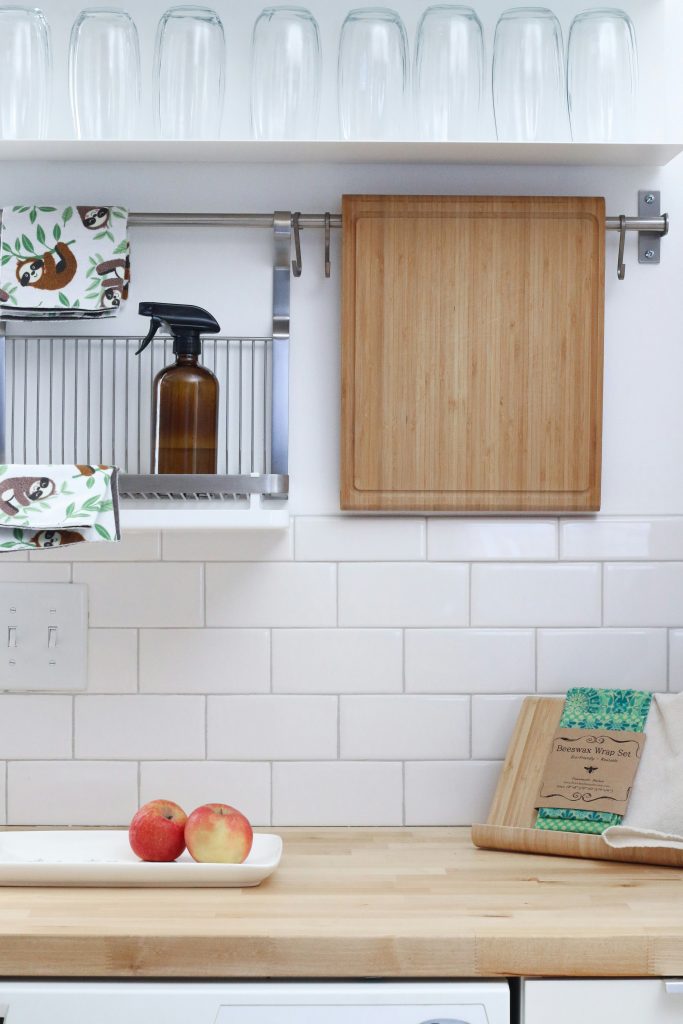
Beeswax wraps or silicone lids replace thousands of feet of plastic wrap per year. One-time purchase, years of use. I love the beeswax wraps and reusable unpaper towels from Mieco. These are a MUST!
Swap #2: Reusable Bags/ To-Go Containers
I LOVE these Stasher Bags from EarthHero, we use them all the time in our family! I’ve spent years navigating food storage, and the constant cycle of single-use plastic was one of the first things I overhauled. For school lunches, I switched to these bags because they survive the ‘bottom of the backpack’ test. They’re leak-resistant, don’t harbor food odors, and honestly, they just last and they are maleable so can fit in most purses or lunchboxes. As a parent, I’m picky about what touches my kids’ food. I choose Stasher because their platinum food-grade silicone is guaranteed free from BPA, BPS, lead, latex, and phthalates. It’s peace of mind that those chemicals aren’t leaching into their lunch. For things like applesauce I love these Haakaa silicone pouches sold with EarthHero. These are made with high-grade silicone and because it’s inert, it does not leach microplastics or endocrine disruptors (like BPA or BPS) into food, even when heated or frozen. Reusable food pouches require thorough rinsing and drying, especially around the corners and spouts, so a small bottle brush or a dishwasher top-rack placement is helpful when you clean these products.
Swap #3: Reusable Produce Bags
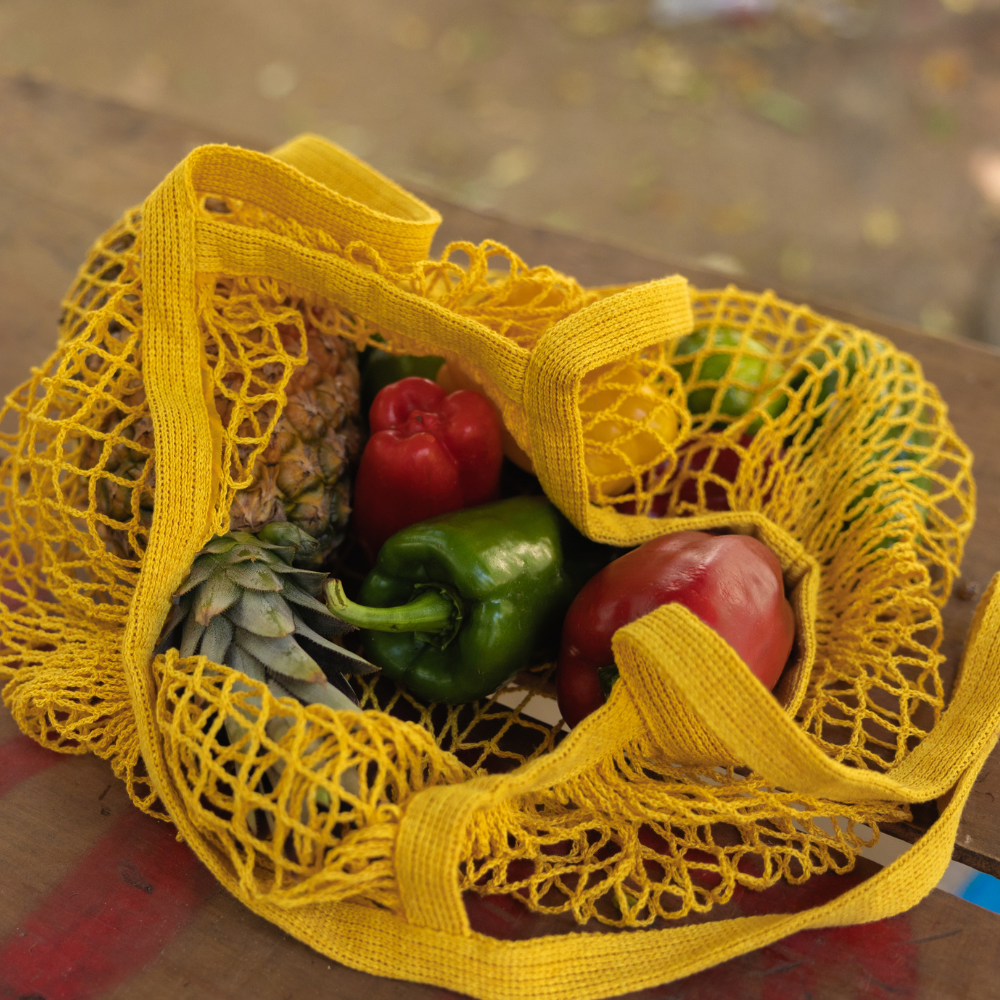
Those thin plastic bags at the grocery store? Completely unnecessary. Mesh produce bags from EarthHero cost about $12 for a set and last years. If you get into a good habit of keeping these produce bags and your reusable grocery bags in your dashboard in your car you will never forget them when you go to the grocery store.
The Bathroom: Your Second Biggest Waste Culprit
Americans use 140 rolls of toilet paper per person per year, almost all made from virgin trees shipped in plastic.
Swap #4: Switch to Plant Paper
Plant Paper makes bamboo toilet paper that’s tree-free, plastic-free, and ships in compostable packaging. It’s softer than most recycled options and their manufacturing is actually carbon-negative. This is the single swap I recommend most because everyone uses TP and the impact is massive at scale.
Swap #5: Bar Everything
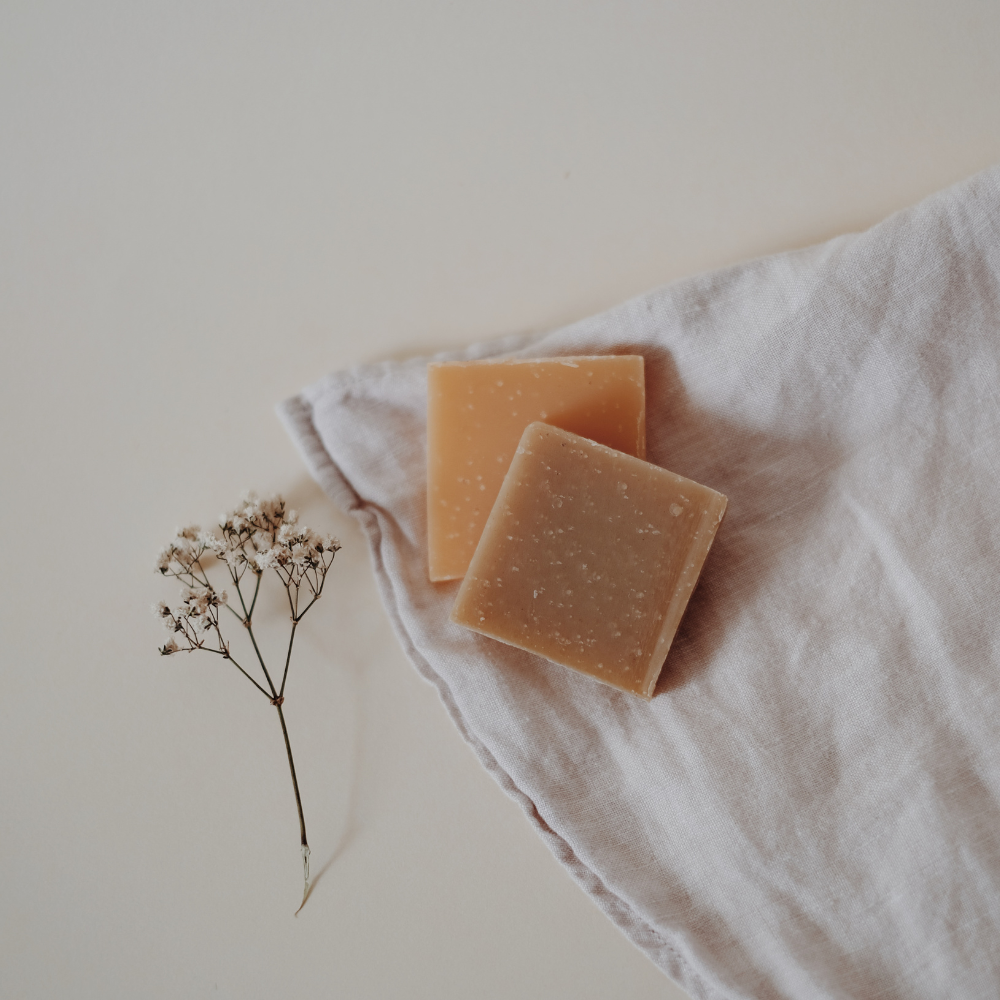
Shampoo bars, conditioner bars, body wash bars. They last 2-3x longer than liquid equivalents, require zero plastic packaging, and take up almost no space (crucial for van life). I LOVE the ones that EarthHero offers. But I have found that sometimes using the soap bars for my hair doesn’t work for me and it might not be for everyone and if you are really into your hair routine, sometimes soap bars just might not cut it. If that’s the case and you haven’t found the right shampoo bar you could always try EO Products shampoo, I LOVE this company, they divert over 90% of their discarded waste from landfills, they are a zero-waste manufacturer, and they recycle traditionally non-recyclable items. You need to think about how much waste you are typically creating and if the switching to soap bars is too overwhelming start here for shampoo while you transition to some more zero-waste items throughout your home. When your bathroom counter is four inches wide, you don’t have room for a dozen plastic bottles anyway. Swapping to a safety razor and shampoo bars wasn’t even a question for me, it was a necessity so my sink didn’t overflow every time we hit a bumpy dirt road.
On-the-Go Zero-Waste
Traveling or living in a van means I’m always “on the go,” so I’ve perfected the zero-waste travel kit.
Swap #6: A Reusable Water Bottle
Not all travel to-go water bottles are created equal. Earth Hero has a sturdy Hydroflask I love. It doesn’t leak (I’ve tested this in a moving van on mountain roads, and with kids who, as we all know, can be pretty destructible), and the quality means you’ll never need another water bottle. Compare that to cheap alternatives that crack, leak, just can’t hold up after a year. The big thing with reusable water bottles is that you need to make sure you have extras, I keep one in my car and one in my large purse for when I need them.
Swap #7: Bamboo Utensil Kit
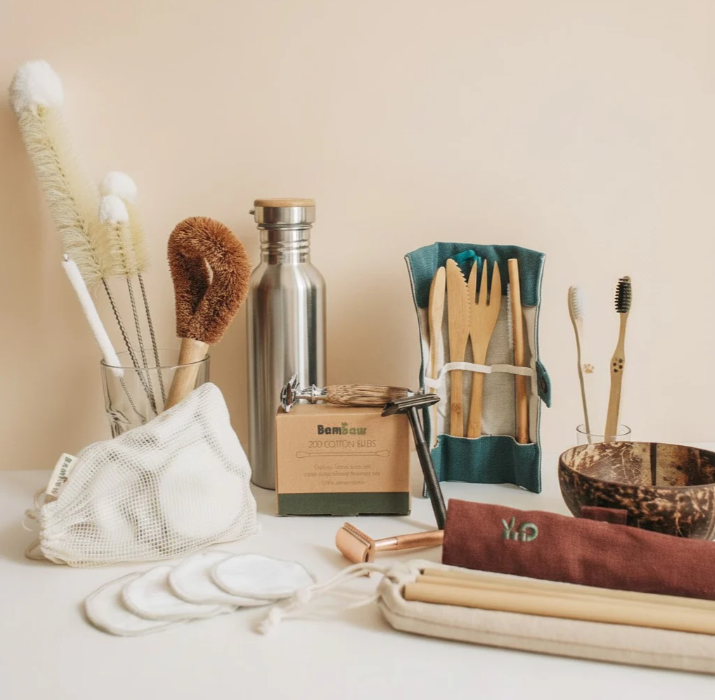
EarthHero makes a gorgeous bamboo cutlery set that comes in a roll-up case. We use ours 3-4 times a week, it has completely replaced single-use utensils. All items I have found from EarthHero are made very well and last for years. Going to a birthday party with your kids? I purchased 6 of these sets so that I always have them available when we are at a birthday party or going out of the house for food.
Composting: Close the Loop
Swap #8: Composting
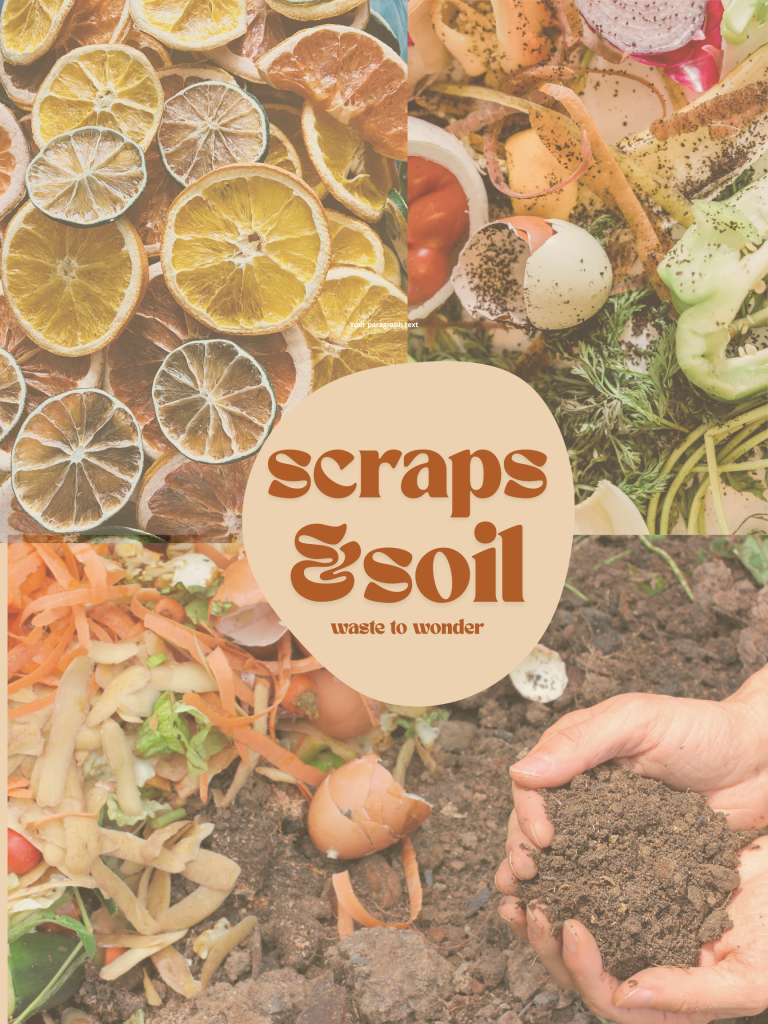
About 30-40% of food in the US is wasted, and when it hits landfill it produces methane, a greenhouse gas 80x more potent than CO2. I know what you’re thinking, ewwww how do I do that? There’s many ways of doing composting but at the end of the day it’s really just another way to sort the products you will be disposing of. Composting is when you put all the leftover food scraps or yard clippings into your compost. This process of recycling organic materials into a material that can be used to enrich soil and plants. Bokashi offers a way to compost in small spaces like a van or an apartment. However, it takes more manual work than some of them out there right now like the Lomi or Reencle. Composting is the thing most zero-waste guides miss: even after you reduce packaging waste, food scraps are still a massive problem.
The solution? Composting. And if you don’t have a backyard, or live in an apartment or van, Bokashi composting is the answer. I’ll cover this in depth in my dedicated Bokashi guide, but it’s the single most impactful thing you can do for your food waste. If you really want to follow this live zero-waste living guide for small spaces, this is the LARGEST impact you can make.
The Real Cost of Zero-Waste Living
Here’s what surprised me: going zero-waste actually saves money. Yes, some upfront swaps cost more (bamboo utensils vs. plastic forks), but the math overwhelmingly favors reusables within 1-3 months:
Thrive Market membership: Saves ~$480/year on organic groceries
Plant Paper subscription: Comparable to premium TP, zero plastic waste
Reusable utensils: One $25 set replaces ~$50/year in disposables
Reusable cup or waterbottle: One $30 cup or bottle replaces ~$500/year in coffee shop cups or plastic water bottles
Total first-year savings: approximately $900+ depending on your typical purchases
Start with 2-3 swaps and stay consistent
The biggest lesson I hope you come away with for this zero-waste living guide for small spaces is to not overhaul everything at once. Pick 2-3 swaps from this list, master them, and then add more. The most sustainable lifestyle is one you can actually maintain. Drop a comment below and let me know which swap you’re tackling first!
If you need any recommendations for ways to simplify your life check out my app article. I know that composting for the first time can seem overwhelming if you’ve never done it before so check out my article on Bokashi Composting. Looking for some swaps for your home? check out my Shop. Overall, this zero-waste living guide for small spaces is here to help you take baby steps so you don’t get burnt out. When you can break things up into simple steps it makes the entire process more attainable. I hope this zero-waste living guide for small spaces was helpful for you, let me know in the comments below!
FAQ: Zero-Waste Living Guide For Small Spaces
Is zero-waste living more expensive?
Initially, there can be a slight upfront investment when replacing single-use items with durable reusables (like stainless steel containers or bamboo utensils). However, because these products last for years rather than months, most households hit their break-even point within 1 to 3 months and save hundreds of dollars annually thereafter.
How do I handle food scraps and composting without a backyard?
If you live in an apartment, tiny home, or van, traditional backyard composting isn’t always practical. Instead, look into Bokashi composting, which uses an airtight bin and inoculated bran to ferment food scraps indoors without foul odors or compact electric kitchen composters.
Where should I start if zero-waste living feels completely overwhelming?
Don’t try to overhaul your entire home overnight. Pick just two or three simple swaps, such as switching to a reusable water bottle, replacing plastic wrap with beeswax wraps, or utilizing cloth unpaper towels, master those habits first, and gradually build from there.

Leave a Comment