
Table of Contents
Disclaimer: This post may contain affiliate links, meaning I may earn a small commission at no extra cost to you if you purchase through them. I only recommend products I genuinely use and love.
The average US family is projected to spend roughly $863.86 on back-to-school shopping in 2026. Here’s the kicker: According to a landmark global analysis published in Science Advances, of all plastic ever produced has actually been recycled, leaving the vast majority to accumulate indefinitely in landfills or the natural environment.
When I first looked at the “required” list from my boys’ elementary school, I saw a mountain of single-use plastic. I realized that “Back to School” is just so much trash that gets broken easily and has a short life cycle, it’s more like “Back to the Trash.”
Choosing zero waste school supplies isn’t just about hugging trees; it’s a strategic move for your wallet and your child’s health. When I finally made the switch, we saved on average $60 in the first year alone simply by investing in things that didn’t break by October. This guide is the blueprint I wish I had, it’s a way to navigate the aisles without the eco-guilt or the drained bank account.
Why Zero Waste School Supplies Matter
Public schools in the U.S. generate over 14,500 tons of waste every single day. This sheer volume highlights why shifting cafeterias and classrooms toward zero-waste habits is such a high-impact solution.
But the impact is closer to home than the local dump. Traditional supplies are often a mix of “forever chemicals”:
- PVC (Vinyl): Found in shiny binders and lunchboxes, often containing lead and phthalates.
- Styrene: A known carcinogen found in many disposable food containers.
- PFAS: Used for “stain-resistant” coatings on backpacks.
By opting for natural materials like stainless steel, organic cotton, and FSC-certified wood, you’re creating a “low-tox” environment for your student. Starting with a non-toxic backpack or plastic-free lunchbox are a great way to start.
This post contains affiliate links. When you purchase through my links, I earn a small commission at no extra cost to you. I only recommend products I personally use and believe in.
The Zero Waste Lunchbox Setup
The cafeteria is the “ground zero” of school waste. A single student using disposable lunches generates roughly 67 pounds of waste per year. Here is how to stop the cycle. Purchase a plastic-free lunchbox.
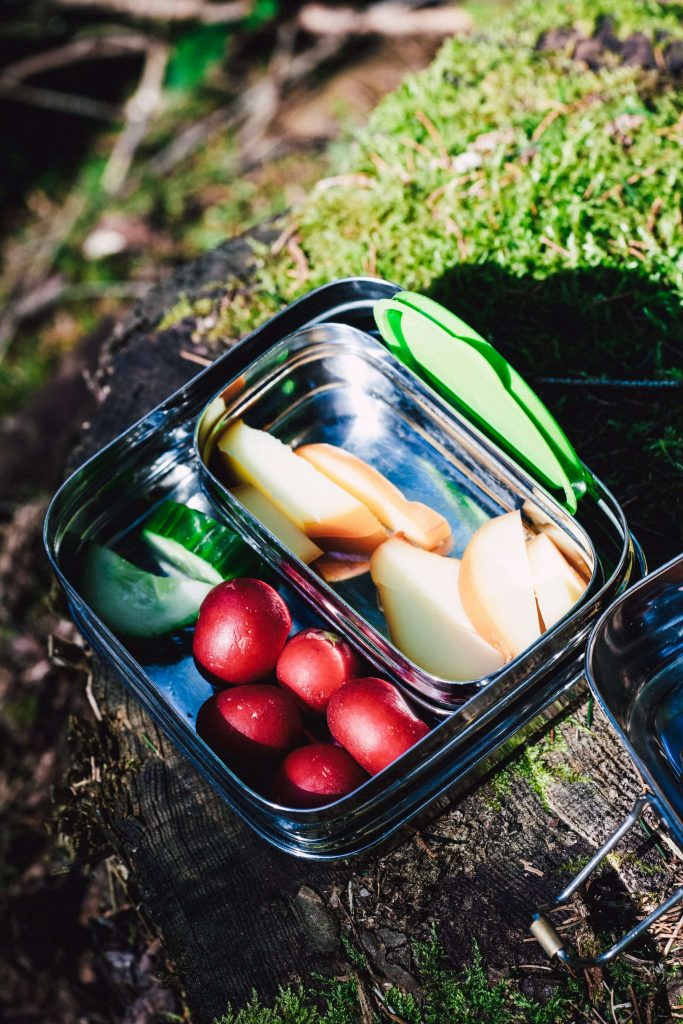
Best Stainless Steel Lunchboxes
Skip the plastic “bento” boxes that crack the first time they’re dropped, that’s why these plastic-free lunchbox options are the best.
- ECOlunchbox: My top pick for durability. Their “Three-in-One” modular set is a legend in the eco-community for being 100% plastic-free.
- PlanetBox: These are built like tanks. While a higher initial investment, they come with a 5-year warranty. (Tip: Skip the magnets if your kids aren’t into them, they can lead to rust spots over time). However, the magnets make them fun & that’s the key for your kids to feel like they love their new lunchbox! This is one of my favorite zero waste school supplies and non-toxic school supplies that are on this list.
Reusable Food Wraps & Containers
- Beeswax Wraps: The perfect replacement for cling wrap. These can be used 100 times until they can be composted and keep sandwiches from getting soggy. I love the Mieco beeswax wraps & use them all the time.
- Silicone Bags: Brands like Stasher are great and a budget-friendly option as long as your little one doesn’t lose it, if so try some FSC certified paper bags.
Plastic-Free School Stationery
Pens are easily disposable. By definition, something truly disposable is discarded after a single use without a second thought, turning everyday writing tools into permanent plastic trash-in-waiting
Notebooks & Paper
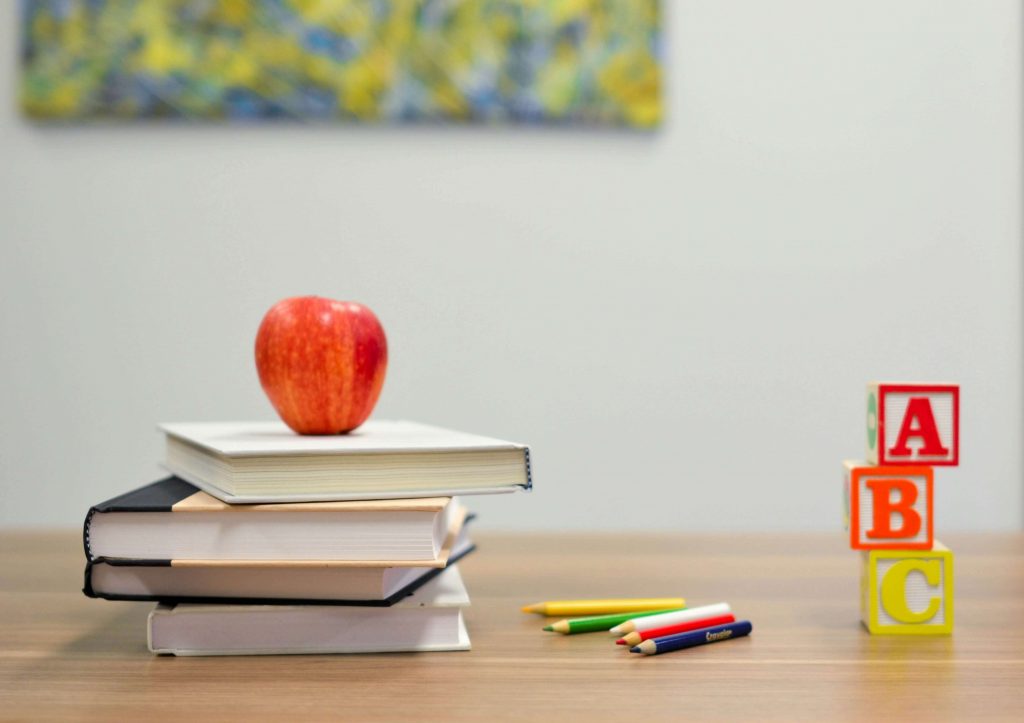
Look for 100% Post-Consumer Waste (PCW) labels.
- Decomposition Books: These are the gold standard. They use soy-based inks and recycled fiber, and let’s be honest, the designs are way cooler than the standard marble notebooks.
- Tree-Free Paper: Look for paper made from sugarcane waste (bagasse) or hemp.
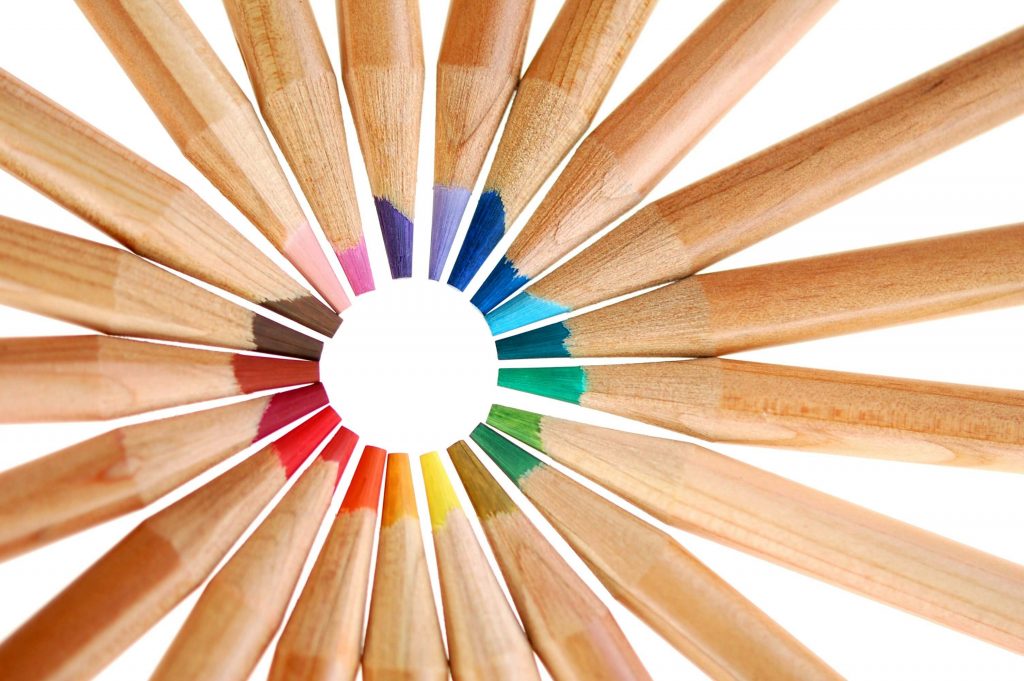
Pens, Pencils & Markers
- Recycled Pens or Bamboo Pens: If some of the above options aren’t for you check out these 90% post-consumer waste recycled pens from EarthHero.
- Sprout Plantable Pencils: These are a favorite for younger kids. When the pencil is too short to use, you plant the end and grow basil or sunflowers.
- Natural Rubber Erasers: Most “pink” erasers are actually synthetic rubber (plastic). Natural rubber is biodegradable and actually erases better.
Sustainable Backpacks & Bags
A “cheap” $20 backpack is the most expensive thing you can buy because you’ll replace it three times before middle school.
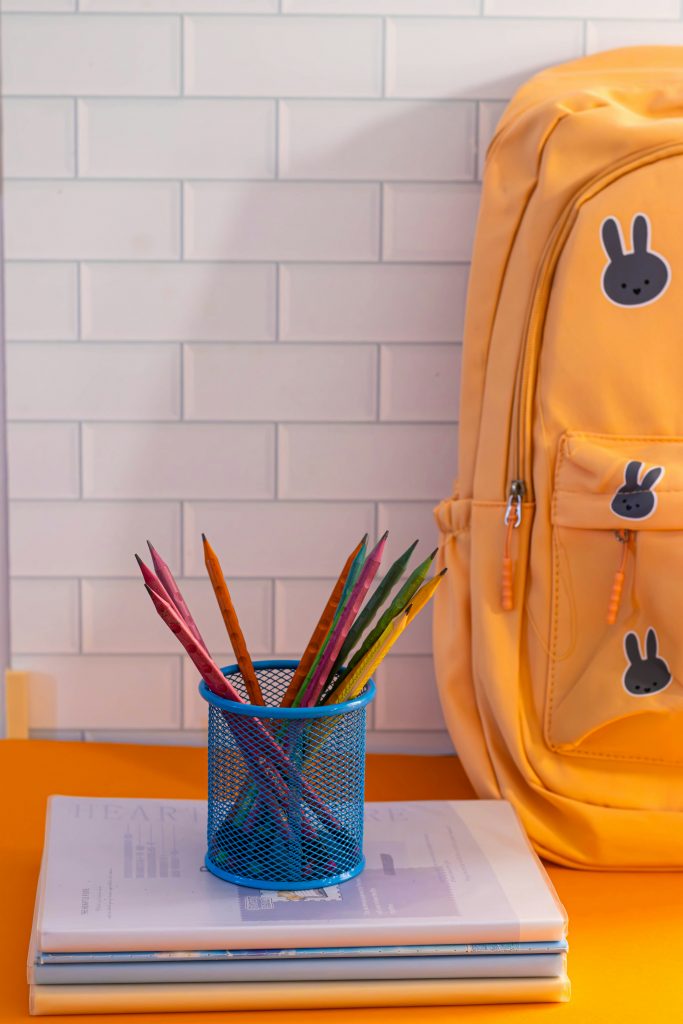
- Organic Cotton & Hemp: Look for brands like Terra Thread or many good condition cotton or hemp thrifted backpacks are my favorite. These materials are naturally durable and unlike polyester they don’t shed microplastics in the wash.
- Durable Canvas: A high-quality canvas bag can be waxed (using beeswax) to become water-resistant without toxic PFAS chemicals.
The 7-Day Zero Waste School Challenge
Don’t try to change everything overnight or you’ll burn out. Try this 7-day transition:
- Day 1: Pack a lunch using only things you already have (glass jars (Oui ones are amazing).
- Day 2: Audit the “junk drawer” for old pens before buying new ones.
- Day 3: Replace one plastic item with a bamboo alternative.
- Day 4: Swap paper napkins for cloth ones (old t-shirts work great!).
- Day 5: Switch to a stainless steel water bottle.
- Day 6: Repair a ripped backpack or hem a pair of school pants.
- Day 7: Share your wins with another parent!
Budget Breakdown: The Long Game
| Item | Estimated Traditional (Cost/Year) | Estimated Zero Waste (Cost/3 Years) |
| Lunchbox | $15 x 3 = $45 | $55 (PlanetBox) |
| Water Bottle | $10 x 3 = $30 | $30 (Klean Kanteen) |
| Notebooks | $12/year | $24 (Recycled) |
| Pens/Pencils | $20/year | $15 (Refillable) |
| Total | $135 | $124 |
While the “upfront” cost is higher, you hit the “break-even” point by year two. By year three, you are officially saving money.
FAQ:Zero Waste School Supplies
Are zero waste school supplies expensive?
Initially, yes. But the goal is to buy once. Check thrift stores for stainless steel items-they are easy to sanitize!
Will my kid feel different from peers?
Usually, they feel “cool.” The zero waste movement is a major trend for Gen Z and Gen Alpha. Bamboo pens and plantable pencils are great conversation starters.
What if the school requires specific supplies?
Talk to the teacher. Most are happy to let a student use a high-quality recycled notebook even if the list says “Brand Name X”.
Conclusion
Transitioning to a zero waste school year isn’t about perfection; it’s about intentionality. Start with one swap, maybe it’s the water bottle or the lunch napkins and build from there. One step at a time and hopefully this Eco friendly back to school guide is helpful for you to reference if needed. Every plastic pen we keep out of the landfill is a win for the future our kids are currently studying for.
Ready to start? Visit my Shop Page to see my vetted eco-favorites.
- Check out my Herbal Remedies Post for natural ways to keep those reusable lunchboxes clean.
- Or check out my tips for Zero Waste living Space For Small Spaces to reduce your carbon footprint and lighten your load.
Leave a Comment